About Us

Since 1954, beside owners
with something at stake

Cooper Norman began in Idaho Falls in 1954. Today, our tax, accounting, audit, valuation, and transition teams work as one bench across Idaho and Utah, helping owners see the tradeoffs before they make the move.

Cooper Norman accounting advisor meeting with clients at a conference table.
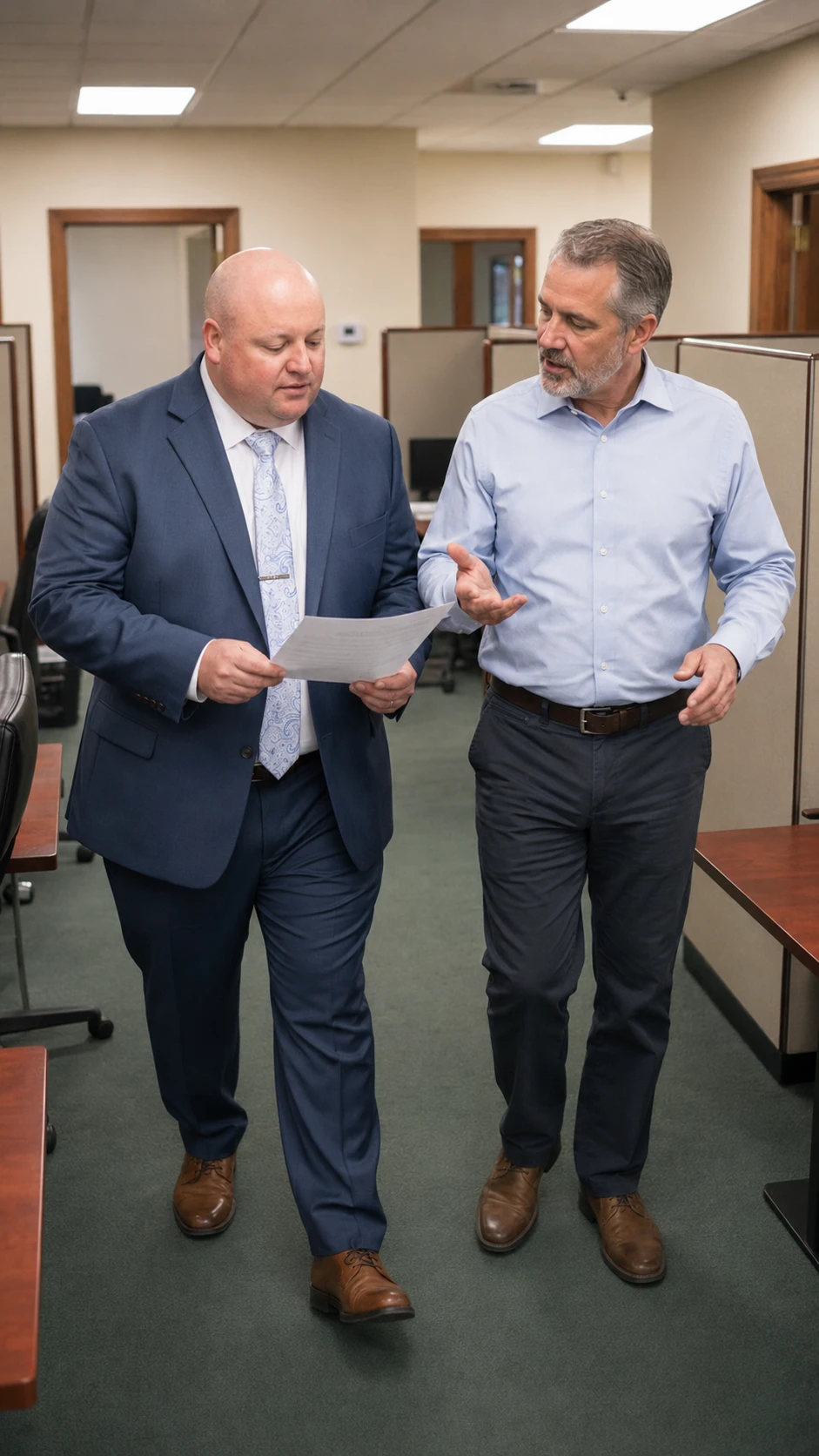
Two Cooper Norman advisors talk through a document while walking the office.
Since1954
Cooper Norman accounting advisor reviewing information on a tablet with clients.

Company Story

The firm grew the way its owners did,
one decision at a time

  1. 1954

    Firm roots

    Cooper Norman opens its doors in Idaho Falls, working with the farmers, builders, and family businesses of the Snake River Valley.

  2. Growth

    Regional reach

    Offices added across Eastern Idaho as owner work deepens by industry.

  3. Utah

    Cross-state practice

    The firm follows its owners into Utah; multi-state work becomes a specialty.

  4. Today

    6 offices strong

    Idaho Falls, Pocatello, Rexburg, Twin Falls, Blackfoot, and Pleasant Grove, UT.

In short

Cooper Norman opened in Idaho Falls in 1954 and grew by following the businesses it served. The first clients were farmers, builders, and family companies in the Snake River Valley, and the work stayed close to how those owners actually ran things. As more owners asked for help, the firm added offices across Eastern Idaho rather than pulling everything back to one building. Each addition deepened a specific kind of owner work, so agriculture, construction, and closely held business questions each had a real bench behind them. When clients moved into Utah, the firm followed, and multi-state work became a practice of its own instead of an exception. Today Cooper Norman has six offices in two states: Idaho Falls, Pocatello, Rexburg, Twin Falls, Blackfoot, and Pleasant Grove, Utah. The pattern has held the whole way. The firm added a place or a skill when owners needed it, one decision at a time.

What the record actually shows

  • 92%Partners hold a CPA license

    23 of the 25 partners listed on our own roster. The other two hold an EA and a CFO seat.

  • 96%Five-star Google reviews

    24 of the 25 most recent reviews across our Idaho and Utah offices.

  • 97%Average Google rating

    A 4.9 of 5 average across 26 reviews, read on 29 August 2026.

  • 100%Work under a signed engagement

    Every engagement starts with a letter that states the scope before any work begins.

In short

Cooper Norman publishes the parts of its record an owner can check. Of the twenty-five partners listed on the firm roster, twenty-three hold a CPA license. The other two hold an enrolled agent credential and a CFO seat. Public feedback across the Idaho and Utah offices runs the same direction. Twenty-four of the twenty-five most recent Google reviews are five stars, and the average rating sits at 4.9 out of 5 across twenty-six reviews, read on 29 August 2026. Those numbers are small enough that an owner can read them one by one, which is the point. The last figure is procedural. Every piece of work begins under a signed engagement letter that states the scope before anyone starts, so an owner knows what was agreed to and what it covers. Credentials, public feedback, and a written scope are three things a business owner can verify independently.

Our Team

The people across
the table

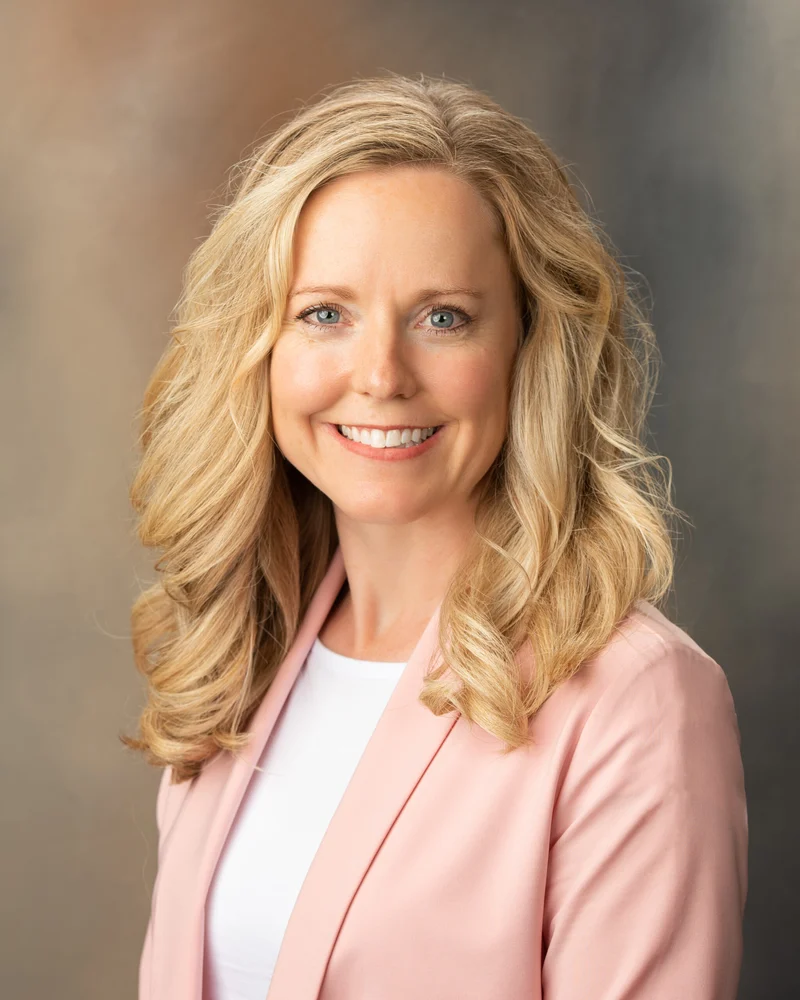
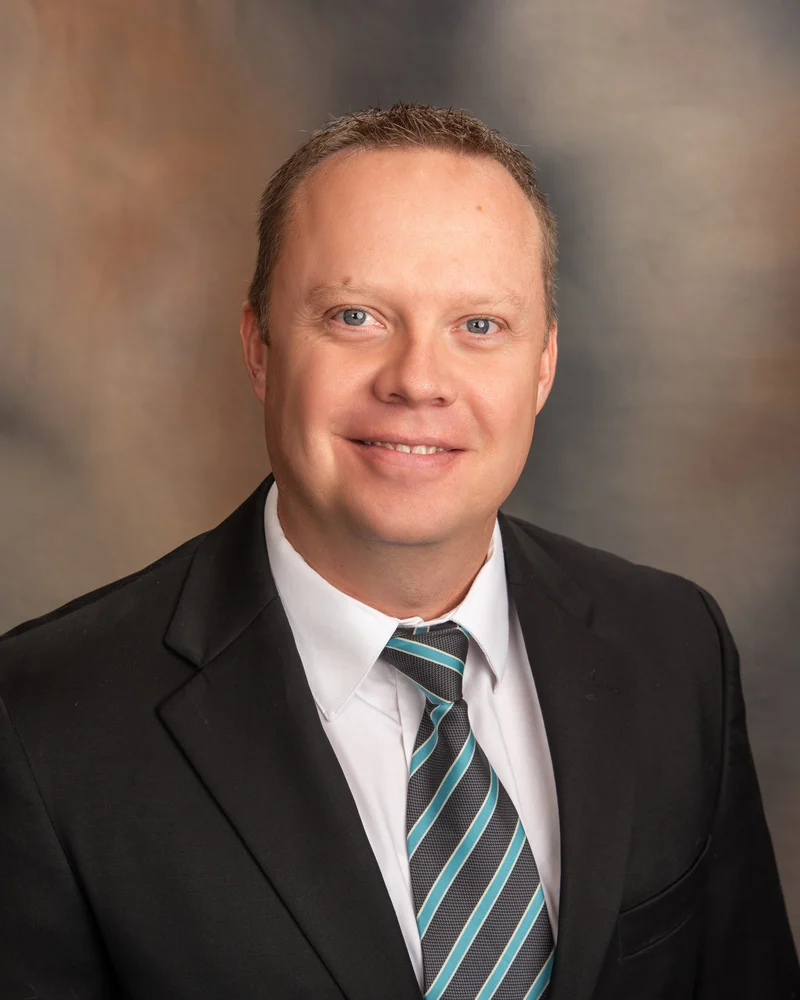
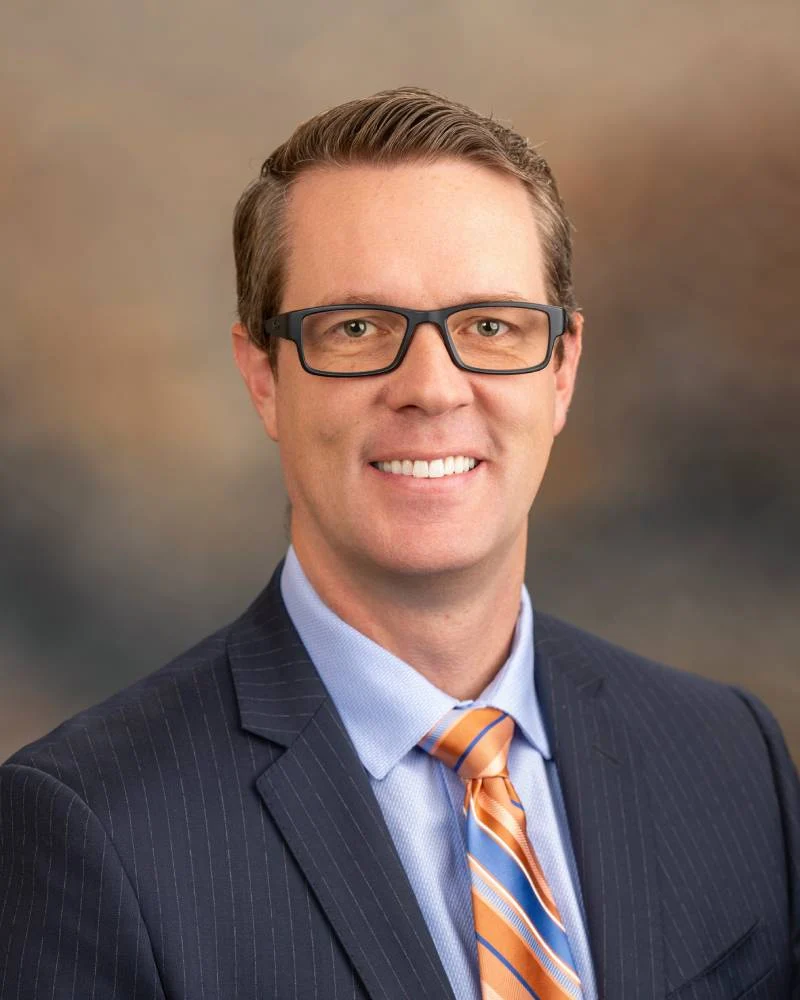
Advisors, tax specialists, and industry leads working as one team across our six offices, so you get the specialist you need, not the one closest to you.

Meet the Full Team

What an engagement includes,
and when

What you can expectWhen it happens
Books and reportingMonthly close deliveredEvery month
Tax planningYour tax plan reviewed against the year so farQuarterly
Tax preparationReturns filed from a plan that ran all yearEvery filing season
Your teamSix offices, two states, one connected benchOn every engagement
Valuation and transition planningCredentialed valuation and transition work, in houseWhen the decision calls for it
When you hear from usA conversation about the decision in front of youBefore you make it
Financing conversationsLender packages prepared with current numbers and projected scenariosBefore you sign the term sheet
Entity structure reviewC-corp, S-corp, LLC, or partnership analysis against your actual mix of incomeAt formation and whenever your income mix shifts materially
State and local taxNexus review for Idaho, Utah, and any state where you have payroll, property, or salesAnnually and when you cross a new state line
Fraud and controls reviewHonest look at your cash controls, approval workflows, and reconciliation cadenceAt onboarding and when staff turnover or growth changes the risk shape

The work runs on a calendar, not a filing deadline.

In short

A Cooper Norman engagement runs on a calendar rather than a filing deadline. Books and reporting close every month. The tax plan is reviewed against the year so far each quarter, so the return filed each season comes out of a plan that ran all year instead of a scramble in spring. Other items arrive on their own schedule. Entity structure, meaning the choice among C-corp, S-corp, LLC, or partnership, is analyzed at formation and again whenever the income mix shifts materially. State and local tax nexus gets checked annually and any time payroll, property, or sales cross a new state line. A cash controls and fraud review happens at onboarding and again when staff turnover or growth changes the risk. Valuation and transition work, plus lender packages built on current numbers and projected scenarios, come when a decision calls for them, before a term sheet is signed.

Questions owners
ask us first

What does Cooper Norman do?

Cooper Norman is a full-service CPA and advisory firm for owner-led businesses. The five service lines are tax planning and preparation, client accounting services, audit and assurance, business valuation, and business transition planning. Most of our clients are owners of operating companies, not W-2 households, which shapes everything from how we schedule planning conversations to how we price work. Industry depth is concentrated in agriculture, construction, healthcare, growth businesses, and manufacturing and retail; each of those practice areas is led by advisors who work in that industry every week. A typical engagement combines year-round planning, timely preparation, and the credentialed valuation or transition work that comes up when owners weigh a sale, a succession, or an acquisition.

Where are your offices?

Cooper Norman has six offices: five in Idaho (Idaho Falls, Pocatello, Blackfoot, Rexburg, and Twin Falls) and one in Utah (Pleasant Grove). Idaho Falls has been the headquarters since 1954, and the firm has grown from eastern Idaho into the Magic Valley, Upper Valley, Bingham County, and now Utah County. The offices run as one connected bench rather than as franchises, which means your advisor can tap valuation work in Pleasant Grove, agriculture experience in Blackfoot, or audit capacity in Idaho Falls without you having to re-explain your business to a different firm. The relationship stays local; the expertise is pooled.

Which industries do you know best?

Five industry practices anchor Cooper Norman's work. Construction covers general contractors, subcontractors, and specialty trades on topics from job-cost accounting to bonding, Davis-Bacon, and multi-state tax exposure. Agriculture and dairy focuses on commodity cycles, equipment depreciation, cash-vs-accrual decisions, succession planning, and family-business dynamics. Healthcare and dental practices cover practice management, entity structure, partner buy-in and buyout, and the equipment-depreciation choices that compound over a 20-year career. Real estate and growth businesses round out the list. Each practice is led by advisors who work in that industry weekly rather than as a side specialty.

Who will actually work on my account?

People you know by name. Every advisor, from partner to staff, is on our team page with a real bio, their credentials, and the office they work from. The partner you meet during the first conversation is not a handoff artifact; that person stays on the engagement and the staff supporting the work are introduced to you by name. If specialty expertise is needed (for example, a valuation for a buy-sell or an agriculture-specific audit), the specialist is added explicitly and you know what they are doing. There is no mystery back-room team doing the work while you only see the signature at the bottom of the return.

How do we get started?

Bring us the decision in front of you. The first conversation is not a sales pitch and it is not a request for a document stack; it is 30 to 45 minutes where you describe what you are weighing (a sale, a buyout, an expansion, a new entity, a lender request, a messy tax year), what it touches, and when you need an answer. From there we map the work together: which service lines fit, who on our bench is the right lead, what we need from you to produce a written engagement letter with scope and fees, and what the first 30 days look like. If after that conversation we are not the right fit, we will tell you and name who is. Start a Conversation.

Cooper Norman accounting advisor meeting with clients in a bright office.

Bring the decision. We will bring
the numbers.

Start a Conversation